
Not every mark on a tree means trouble. Bark texture varies by species. Wounds close over. Some trees look rough on the outside and stay structurally sound for decades. But tree cankers and cavities are two conditions worth understanding, because both can quietly undermine a tree before anything looks obviously wrong from the ground.
Knowing what each one is, what it looks like, and what it means for the tree’s future is how you make an informed decision instead of a reactive one.
What is a Tree Canker?
Canker is a localized area of dead bark on a branch, stem, or trunk. The cambium layer beneath it, which moves water and nutrients through the tree, shuts down in that spot. What causes it is almost always a pathogen, a fungus or bacterium that gets in through a wound, a pruning cut, or tissue already weakened by stress. Once established, it kills the bark and the living layer beneath, cutting off resources to everything above.
They don’t typically announce themselves. Early cankers can look like a slightly sunken or discolored patch of bark. Easy to miss unless you’re looking for it. Over time they may expand, crack, or begin oozing sap. When a canker girdles a branch or trunk section, it severs the flow of resources to everything above it. That’s when dieback in the canopy becomes visible.
What Cankers Look Like
Appearance varies depending on the pathogen and the tree species, but a few signs come up repeatedly: a sunken or depressed area in the bark, sometimes with a different color or texture than the surrounding wood; cracking or splitting around the edges of the affected area; sap or fluid weeping from the wound, which may be clear, amber, or dark; fungal growth on or near the canker itself: and dieback in branches above the infection site, which is often what prompts a closer look at the trunk.
Why Atlanta Trees are Vulnerable
Atlanta’s clay soils compact easily, and development pressure makes it worse. When grading, driveway work, utility installation, or home renovations happen near a tree’s root zone, the soil compresses, oxygen to the roots drops, and drainage suffers. Add a stretch of drought stress on top of that, and you have a tree that can’t defend itself the way a healthy one would. That’s when opportunistic pathogens move in.
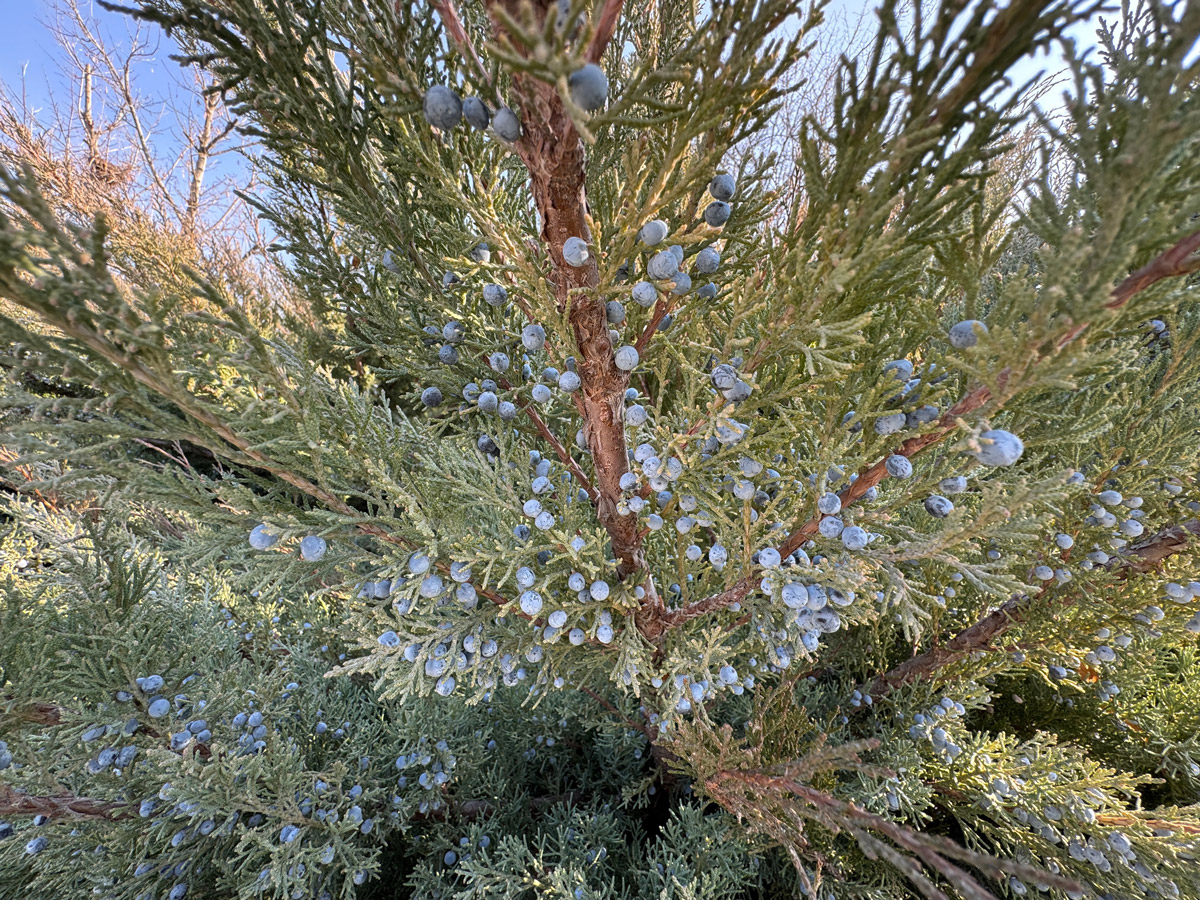
Two species that come up regularly in this area: oaks and Leyland cypress. Mature water oaks and red oaks near recent construction often develop branch dieback and canker associated with Botryosphaeria, a fungal pathogen that takes advantage of stressed and root-compromised trees. Leyland cypress deals with a different problem: Seiridium canker, which is one of the more common canker issues we see across the Atlanta area.
What Is a Tree Cavity?
A cavity is a hollow in the trunk or a major branch where wood has decayed and been lost. Cavities form when internal rot progresses to the point where wood tissue is gone – the result of an old wound that never closed properly, a canker that penetrated into the heartwood, a dead branch stub that was never removed, or accumulated storm damage over time.
Cavities aren’t a disease. They’re a structural condition. The question isn’t just “is there a cavity?” It’s “how much sound wood remains, and where?”
What Cavities Look Like
A cavity can be visible at the surface – a dark hollow you can see into – or almost entirely internal, with only subtle surface clues: soft spots in the bark, wood that sounds hollow when tapped, or fungal conks growing at the base of the trunk or along the root flare. Concentrated woodpecker activity in one area of the trunk is worth noting too. Woodpeckers are efficient at finding soft, tree decay, and they tend to work where it’s easiest.
When Does a Cavity Become Dangerous?
A tree with a cavity isn’t automatically a candidate for removal. A large old oak with a hollow base can remain structurally sound if enough of the outer shell is intact. What matters is the ratio of remaining sound wood to overall trunk diameter, the location of the cavity (trunk base vs. upper branch), and whether the tree shows additional signs of root or structural failure.
That assessment can’t be made reliably from the ground. It requires someone who knows what to look for across the full tree, not just the visible opening. If a tree is showing signs of structural failure alongside cavity development, that moves into emergency tree service territory rather than a scheduled consultation.
Canker vs. Cavity: Different Problems, Related Risks
They’re distinct conditions, but they’re connected. An untreated canker can breach the outer wood layers and become the starting point for a cavity. A cavity that expands into structural wood creates the same vulnerability a canker does: compromised tissue in a load-bearing part of the tree.
In practice, trees showing one often show signs of the other. A tree under sustained stress tends to accumulate problems. For a broader look at what decline can look like across a property, our guide to identifying declining trees covers a wide range of warning signs.
When to Call an Arborist
Neither condition requires immediate panic. Both require a professional assessment.
Self-diagnosis has two failure modes: missing a serious problem that looks minor from the outside, and overreacting to something that’s cosmetic. An ISA-certified arborist evaluates both conditions in context.
A site visit starts with a close visual read of the whole tree: looking for cavities, fungal growth, seams, cracks, bulges, deadwood, anything that suggests decay may be working internally. When what’s visible on the surface raises questions about what’s happening inside, a Resistograph can give a more definitive answer. It works by passing a small needle through the wood and measuring resistance as it goes. Sound wood pushes back. Decayed wood and voids don’t. The result is a detailed picture of where solid wood remains, how much of it there is, and what the tree can realistically bear.
For cankers, the response depends on the species, the pathogen, and how far the infection has traveled. Pruning the affected wood is usually the starting point. From there, the focus shifts to the conditions that made the tree vulnerable in the first place: soil compaction, drainage, watering, mulching. Fungicide is an option in certain situations depending on the pathogen, but managing the underlying stress is more important than any chemical treatment.
For structural concerns involving cavities, removal isn’t the default. Depending on what the assessment shows, options can include pruning to reduce weight on compromised limbs, installing cabling or bracing systems, or setting up a monitoring schedule with periodic re-inspections. What’s in the fall zone matters too. A tree with a cavity over an open lawn is a different conversation than one hanging over a roof. When removal is the right call, our tree removal process is designed to protect what’s around the tree, not just take it down.
Frequently Asked Questions
Can a tree with a canker be saved?
Sometimes. Whether a canker can be managed depends on how far it has spread and whether it has girdled the affected branch or trunk section. If it’s still localized, removing the infected wood and giving the tree time to compartmentalize the wound is sometimes sufficient. If it has spread or is positioned on a structural limb, the answer changes. An arborist can tell you which situation you’re dealing with.
Can a tree with a cavity survive?
Yes, sometimes for many years. Cavity size, location, and the amount of remaining sound wood all shape the answer. A small cavity in an upper branch carries a different risk profile than an expanding hollow at the base of the trunk. The presence of a cavity doesn’t determine the outcome. An accurate structural assessment does.
Is the growing fungus causing tree decay?
It’s more like the other way around. Fungal fruiting bodies – the mushrooms or conks you see on the trunk or at the base – are typically a sign that decay is underway inside the tree. The fungus didn’t start the rot; it’s colonizing tissue that was already compromised. Their presence tells you something is happening internally. Don’t ignore them.
How fast do cankers spread?
It depends on the pathogen, the tree species, and the overall health of the tree. A vigorous tree can compartmentalize a small canker and wall it off. A stressed tree has fewer resources to fight back, and the infection can advance faster.
My tree has a hollow but seems otherwise healthy. Should I be worried?
A hollow tree isn’t automatically a hazard tree. The concern is structural: does enough sound wood remain to support the tree under load, including wind load? A visual inspection from the ground can’t answer that. If the cavity is large, if you’re seeing other signs of decline, or if the tree is near a structure, an arborist assessment is the right call.
Tree cankers and cavities don’t always mean a tree is lost. They mean the tree needs an accurate read from someone who knows what they’re looking at. Green America Tree Care provides on-site assessments throughout Atlanta, including Buckhead, Roswell, Sandy Springs, and surrounding areas. If you notice something unusual about your tree, that’s a reason to have it checked by one of our ISA-certified arborists.