
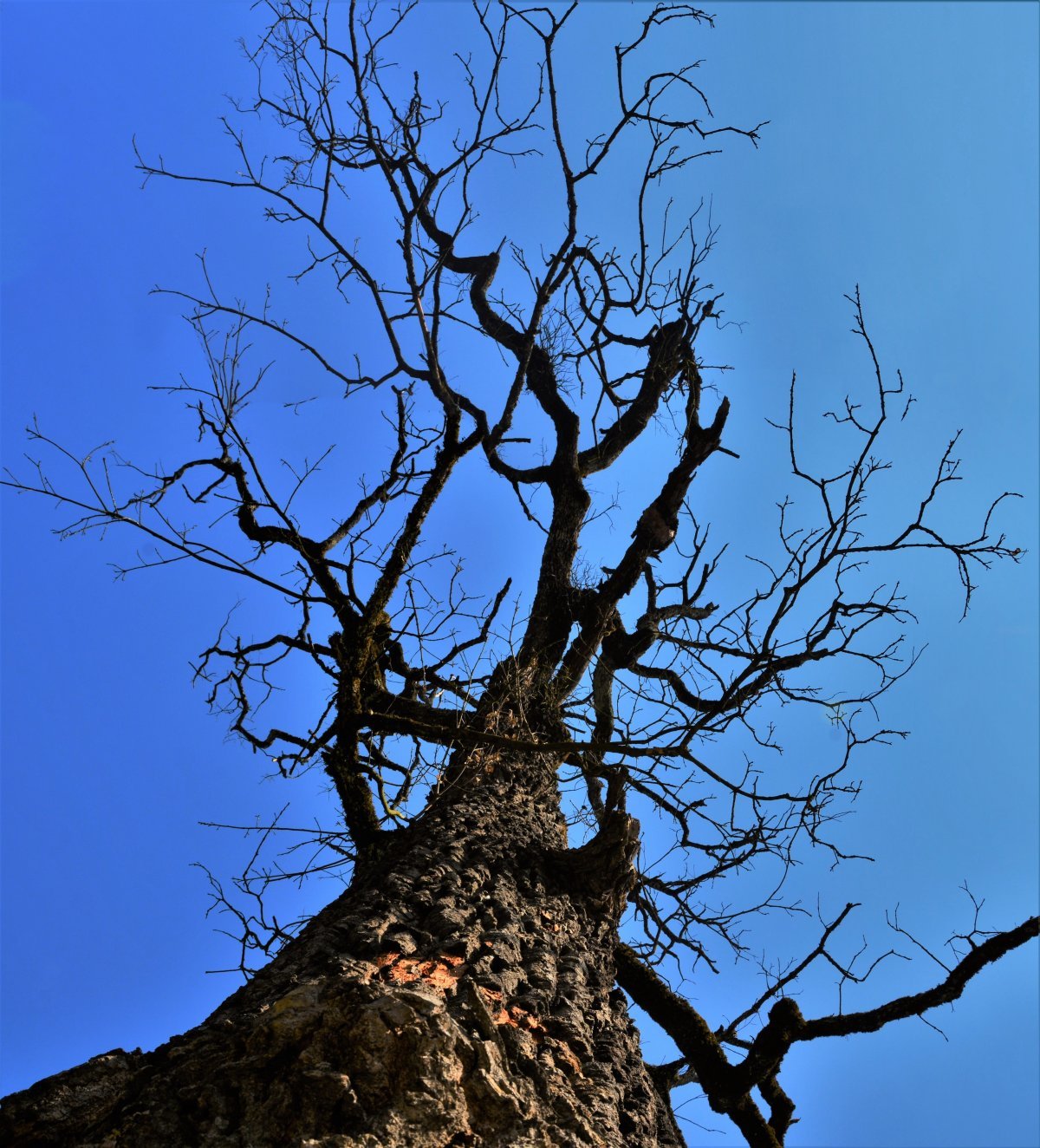
Trees are a defining part of Atlanta’s landscape, but they do not thrive automatically just because they are planted. Many homeowners are surprised to see a once healthy tree decline or die, often without an obvious cause. The reality is that Atlanta’s environment presents unique challenges that can shorten a tree’s lifespan if problems go unaddressed.
Understanding why trees die in Atlanta is the first step toward protecting the ones you still have and preventing future losses.
Atlanta’s Environment Is Tough on Trees
Atlanta’s climate creates a demanding growing environment. Long, hot summers place stress on trees through heat and drought, while heavy rain events can saturate soil and weaken roots. Clay-heavy soil, which is common throughout the region, drains poorly and can suffocate root systems if not managed properly.
Trees that are already stressed by these conditions are more vulnerable to pests, disease, and structural failure.
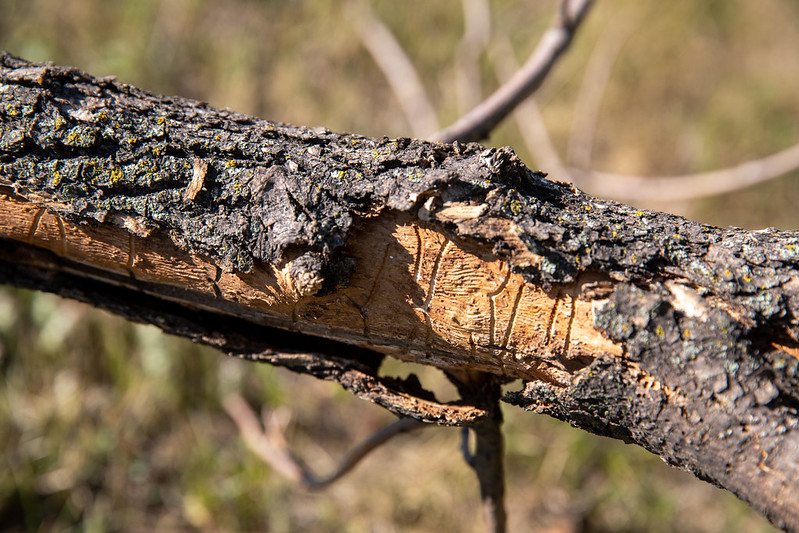
Common Reasons Why Trees Die in Atlanta
Tree death is rarely caused by a single factor. More often, it results from a combination of stressors that weaken the tree over time.
Why Trees Die Through Poor Planting Practices
One of the most common causes of early tree failure is improper planting. Trees planted too deeply, too close to structures, or in unsuitable soil often struggle from the start. Root flares buried under soil or mulch prevent proper oxygen exchange and can lead to slow decline.
Choosing the wrong species for the site is another issue. Some trees simply cannot tolerate Atlanta’s heat, soil conditions, or limited space.
Soil Compaction and Root Damage
Urban and suburban landscapes expose trees to constant pressure. Construction, vehicle traffic, and even repeated foot traffic compact the soil, making it difficult for roots to absorb water and nutrients. Damaged or restricted root systems weaken the entire tree and reduce its ability to recover from stress.
Improper Watering and Mulching
Both overwatering and underwatering can cause serious problems. Trees need consistent moisture, especially during establishment, but standing water around roots can be just as harmful as drought.
Improper mulching is another frequent contributor to tree decline. Mulch piled against the trunk traps moisture and encourages decay. If you want to avoid this common issue, review our guide on tree mulching mistakes.
Why Trees Die From Storm Damage and Structural Stress
Atlanta experiences frequent storms that test a tree’s structure. Weak branch unions, hidden decay, or past pruning mistakes can cause limbs or entire trees to fail during high winds. Repeated storm damage compounds stress and often accelerates decline.
Why Trees Dies From Pests and Disease
Many homeowners ask, “Do pests kill trees in Atlanta?” The answer is sometimes, but pests and disease are often secondary problems. In many cases, insects and pathogens attack trees that are already stressed by environmental or structural issues. Without addressing the underlying cause, treatments alone may not save the tree.
Why Is My Tree Dying Even Though It Has Leaves?
This is one of the most common questions homeowners ask. Leaf growth does not always indicate good health. Trees can continue producing leaves even as internal decay, root failure, or vascular damage progresses. By the time visible symptoms appear in the canopy, the problem may already be advanced.
An arborist evaluation can determine whether the tree can recover or if intervention is needed.
Can a Dying Tree Be Saved?
In some cases, yes. Early diagnosis and corrective care can significantly improve a tree’s chances. Professional trimming, soil improvement, pest management, and proper watering can stabilize a stressed tree.
However, once decay, root failure, or structural instability reaches a certain point, removal may be the safest option. A certified arborist can help determine which path makes sense for your situation.

How an Arborist Helps Prevent Tree Death
Certified arborists look beyond surface symptoms. They evaluate root health, soil conditions, structural integrity, pest activity, and environmental stressors. This holistic approach allows them to recommend targeted solutions that support long-term tree health.
Green America Tree Care offers professional arborist consultations throughout Atlanta. Learn more or schedule an assessment with us.
For research-backed information on tree health and decline, the University of Georgia Extension provides excellent guidance for Georgia homeowners.
What Homeowners Can Do to Protect Their Trees
While not every tree can be saved, proactive care makes a significant difference. Annual inspections, proper pruning, responsible mulching, and timely intervention all help extend the life of your trees.
When removal is unavoidable, professional removal protects surrounding property and allows for safer replanting. Check out our information on professional tree removal services.
Call Green America Tree Care for Expert Tree Evaluation in Atlanta
Trees rarely fail overnight. Most decline happens gradually, with warning signs along the way. Recognizing those signs and acting early can prevent unnecessary loss and improve the health of your landscape. Green America Tree Care provides certified arborist evaluations, tree trimming, tree removal, planting, and emergency services throughout Atlanta.
To request a consultation or speak with our team: