
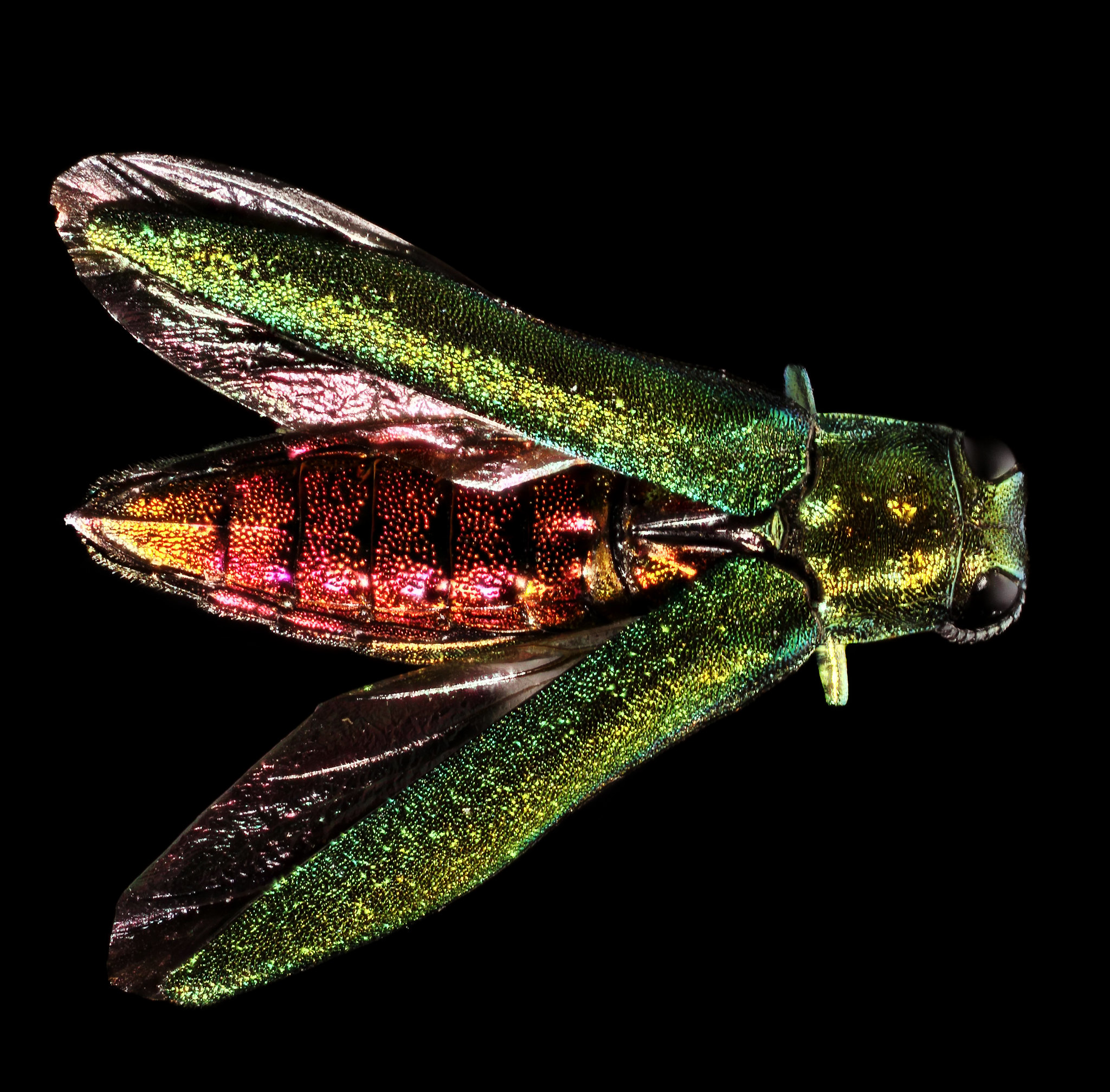
Post Featured Image: Agrilus planipennis – Emerald Ash Borer by B Smith from Flickr
If you’ve noticed fewer ash trees lining our streets and filling our parks, there’s a tiny but mighty culprit to blame: the Emerald Ash Borer (EAB). This invasive beetle has been wreaking havoc on ash trees across the Buckeye State. Let’s get into what this means for our green spaces and what we can do about it.
What Is the Emerald Ash Borer?
The Emerald Ash Borer is a small, metallic green beetle originally from Asia. It made its way to North America in the early 2000s, likely hitching a ride in wooden packing materials. Since then, it’s been a nightmare for ash trees, with Georgia being one of the hardest-hit states.
How Does EAB Affect Ash Trees?
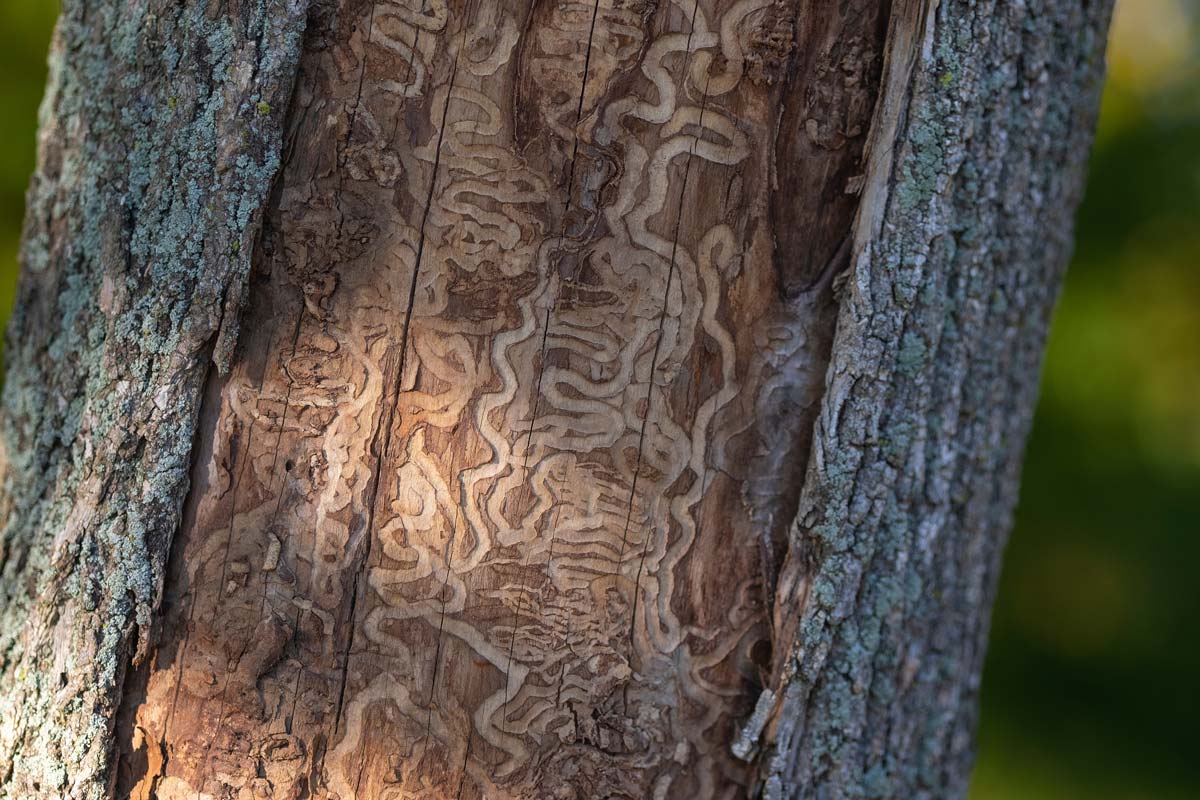
EAB larvae burrow into the bark of ash trees to feed, disrupting the tree’s ability to transport water and nutrients. This usually leads to the tree’s death within a few years of infestation. The first sign of trouble is often dying branches at the top of the tree, followed by increased woodpecker activity (they love to eat EAB larvae).
Spotting Emerald Ash Borer in Your Trees
If you’re worried about EAB, here are a few signs to look out for:
- D-shaped exit holes in the bark, about 1/8 inch in diameter
- S-shaped galleries under the bark
- Thinning or yellowing leaves
- Sprouts growing from the base of the tree
What Can We Do?
Prevention and Treatment
Once EAB makes itself at home, saving an infested tree is tough but not always impossible. Here are a few steps you can take:
- Preventive Treatment: If EAB hasn’t hit your area yet, consider preventive treatments for healthy ash trees. These can protect a tree for up to two years.
- Insecticide Treatments: For trees already infested, insecticide treatments can be effective if caught early. It’s best to consult with a professional arborist to assess the situation.
Removal and Replacement
Sadly, not all trees can be saved. If an ash tree is too far gone, removal might be the only option to prevent safety hazards. But it’s not all doom and gloom! Replacing removed ash trees with EAB-resistant species is a great way to keep your property green and vibrant.
Community Efforts
Georgia hasn’t taken this invasion lying down. Many communities have proactive management plans in place, including monitoring, preventive treatment, and public education campaigns. Getting involved in local efforts can make a big difference in the fight against EAB.
Looking Ahead
The battle against the Emerald Ash Borer is ongoing, but with continued vigilance and community effort, we can mitigate its impact. Whether it’s through treating, removing, or replacing affected trees, every action counts.
Contact Us Today If You Suspect EAB Issues
If you have ash trees on your property, now’s the time to take a closer look. And if you’re unsure about what to do, reaching out to Green America Tree Care or your city’s forestry department can set you on the right path. Together, we can protect Georgia’s ash trees for future generations to enjoy.
The Emerald Ash Borer might be a formidable foe, but it’s not invincible. By staying informed, taking preventive measures, and working together, we can stand up to this pest and safeguard our beloved ash trees. So, let’s roll up our sleeves, Georgia, and show EAB that it picked the wrong state to mess with.